Dna Template In Pcr
Dna Template In Pcr - Web first, two short dna sequences called primers are designed to bind to the start and end of the dna target. Web a basic pcr set up requires the following components and reagents: Dna template that contains the dna region.

What are the properties of PCR (template) DNA?
Dna template that contains the dna region. Web first, two short dna sequences called primers are designed to bind to.

Dna Template In Pcr
Web first, two short dna sequences called primers are designed to bind to the start and end of the dna.

Schematic representation of overlap extension PCR. Two DNA fragments
Web a basic pcr set up requires the following components and reagents: Dna template that contains the dna region. Web.
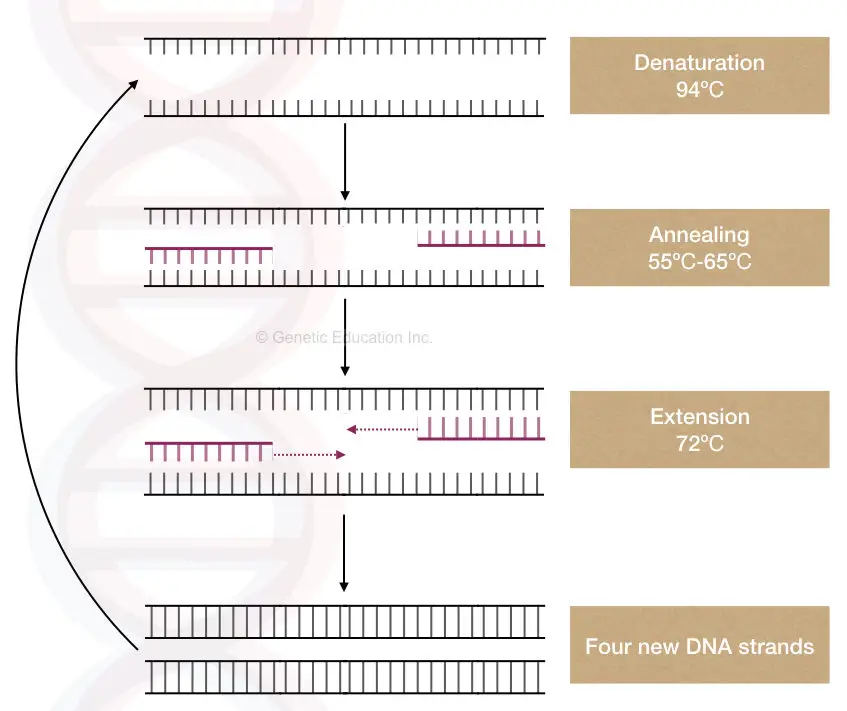
What are the properties of PCR (template) DNA?
Web first, two short dna sequences called primers are designed to bind to the start and end of the dna.

How Much Template Dna For Pcr
Web a basic pcr set up requires the following components and reagents: Web first, two short dna sequences called primers.
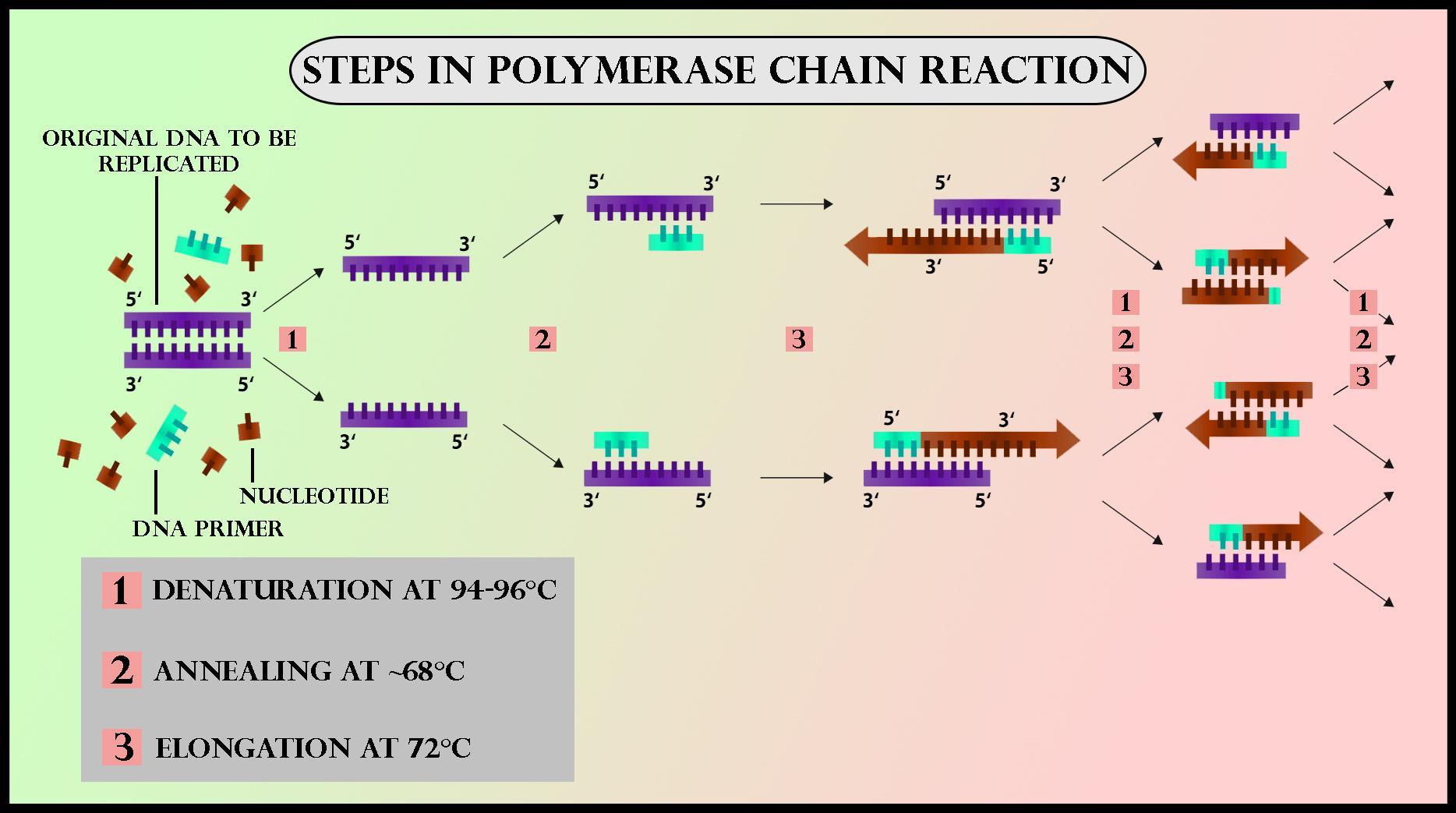
Draw a neat labelled diagram showing steps of PCR?
Web first, two short dna sequences called primers are designed to bind to the start and end of the dna.
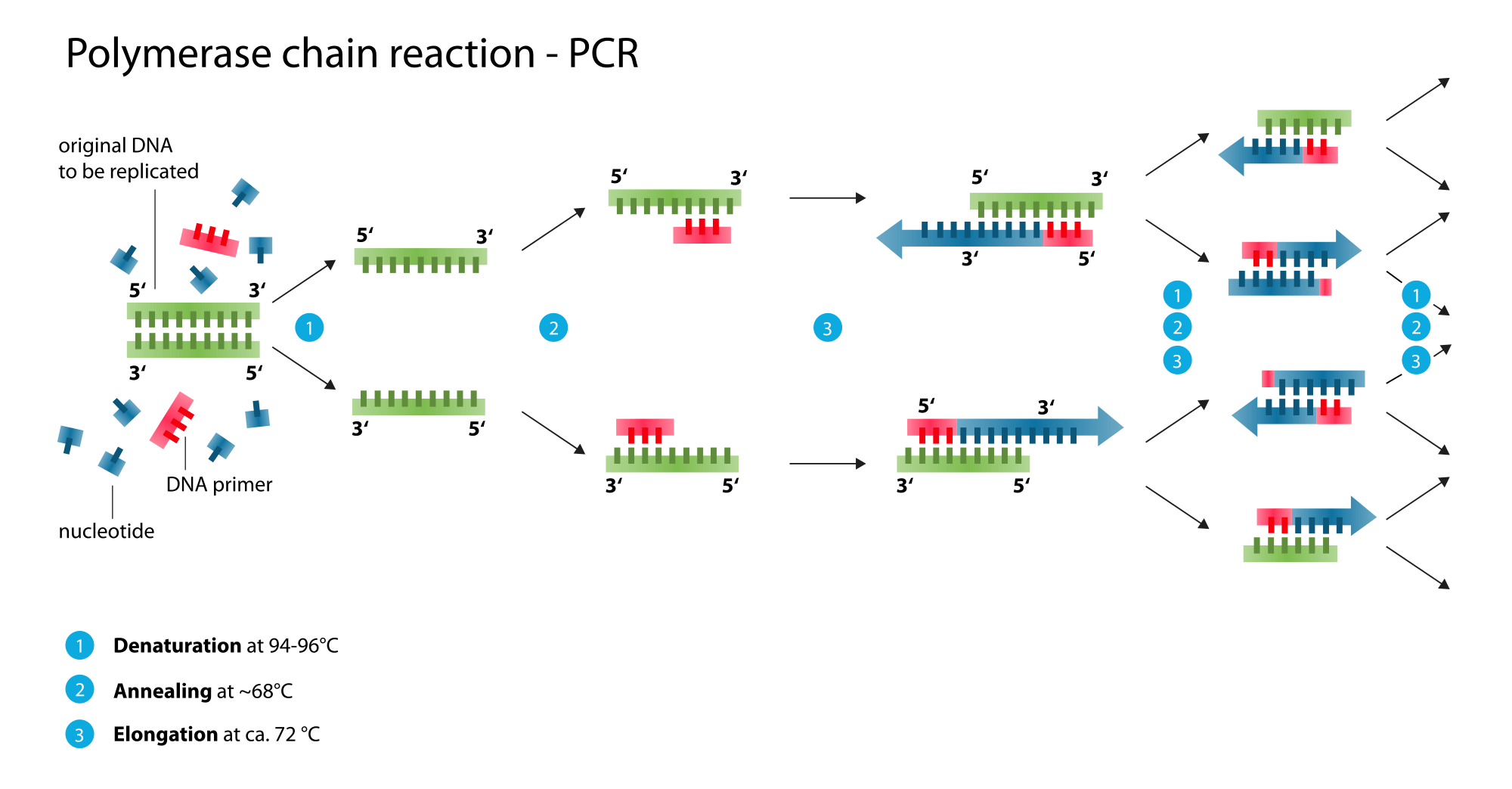
Polymerase Chain Reaction (PCR) Steps, Types and Applications
Web first, two short dna sequences called primers are designed to bind to the start and end of the dna.

2 Preparation of DNA template for PCR analysis. Download Scientific
Web a basic pcr set up requires the following components and reagents: Dna template that contains the dna region. Web.
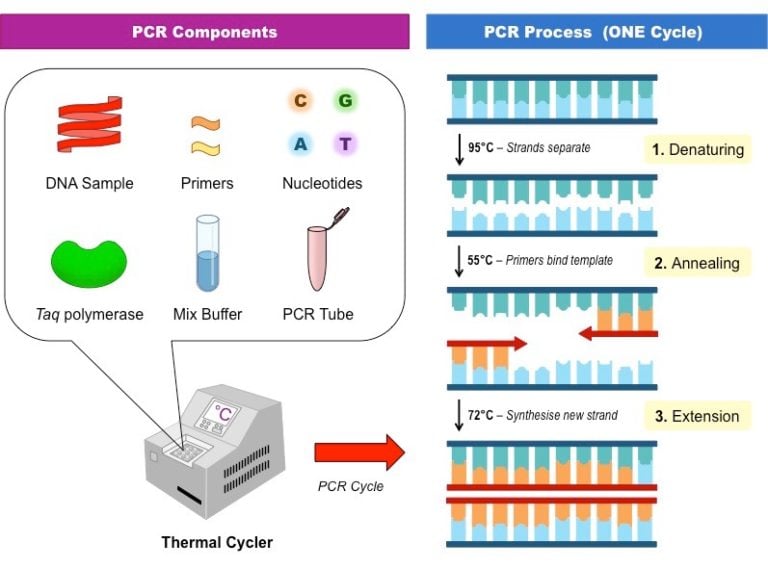
Polymerase Chain Reaction (PCR) Principle, Steps, Applications
Dna template that contains the dna region. Web first, two short dna sequences called primers are designed to bind to.

How Much Template Dna For Pcr
Dna template that contains the dna region. Web first, two short dna sequences called primers are designed to bind to.
Web A Basic Pcr Set Up Requires The Following Components And Reagents:
Dna template that contains the dna region. Web first, two short dna sequences called primers are designed to bind to the start and end of the dna target.