A Old English Letters
A Old English Letters - Web wynn is pronounced as /w/. The earliest old english writings use the digraph uu to represent this sound, but soon the runic wynn came to replace that digraph. In earlier texts by continental scribes, and also later in the north, /w/. Web h = [ç] after front vowels, [x] after back vowels, [h] elsewhere n = [ŋ] before g (ʒ) and k s = [s] initially, finally, or next to voiceless consonants, [z] elsewhere the letters j and v were rarely used and were nothing more. Web old english manuscripts typically represented the sound /w/ with the letter ƿ , called wynn and derived from the rune of the same name. Of these letters, most were directly adopted from the latin alphabet,. Web the old english latin alphabet generally consisted of about 24 letters, and was used for writing old english from the 8th to the 12th centuries. Wynn was used throughout the old english.

Old English Alphabet Letters Old english alphabet, Lettering alphabet
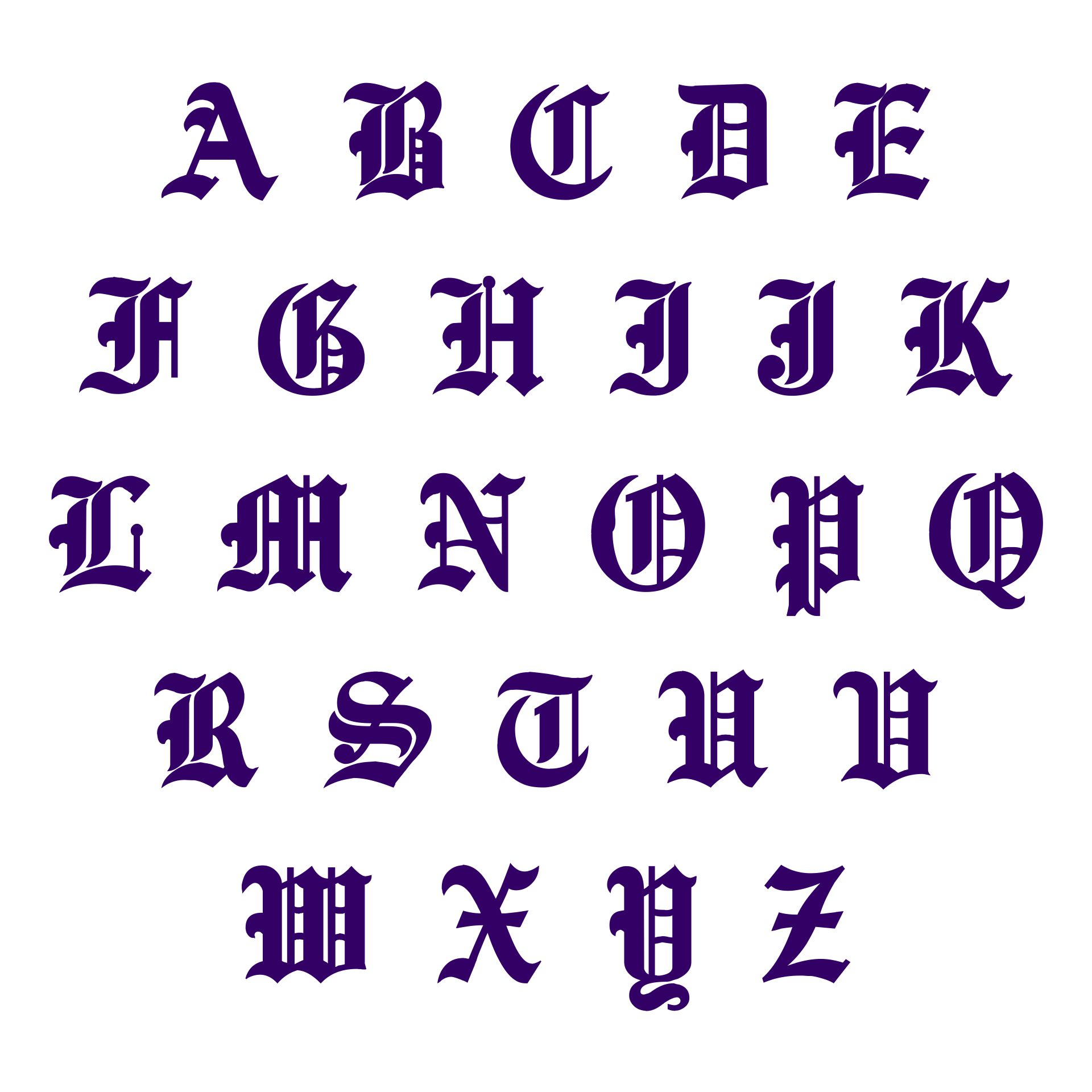
10 Best Printable Old English Alphabet AZ PDF for Free at Printablee
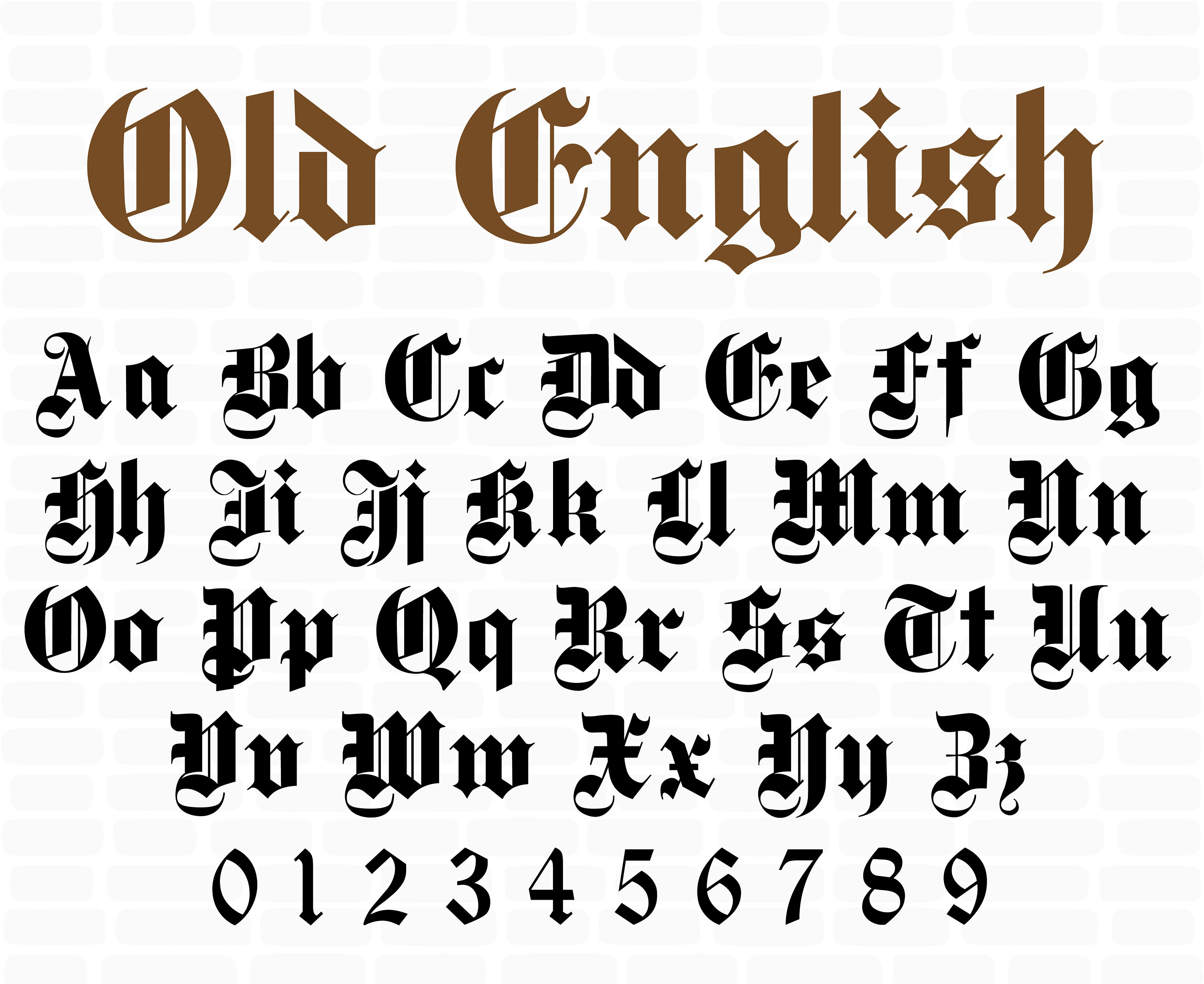
Old English Alphabet Svg Old English Font Svg Old English Letters And
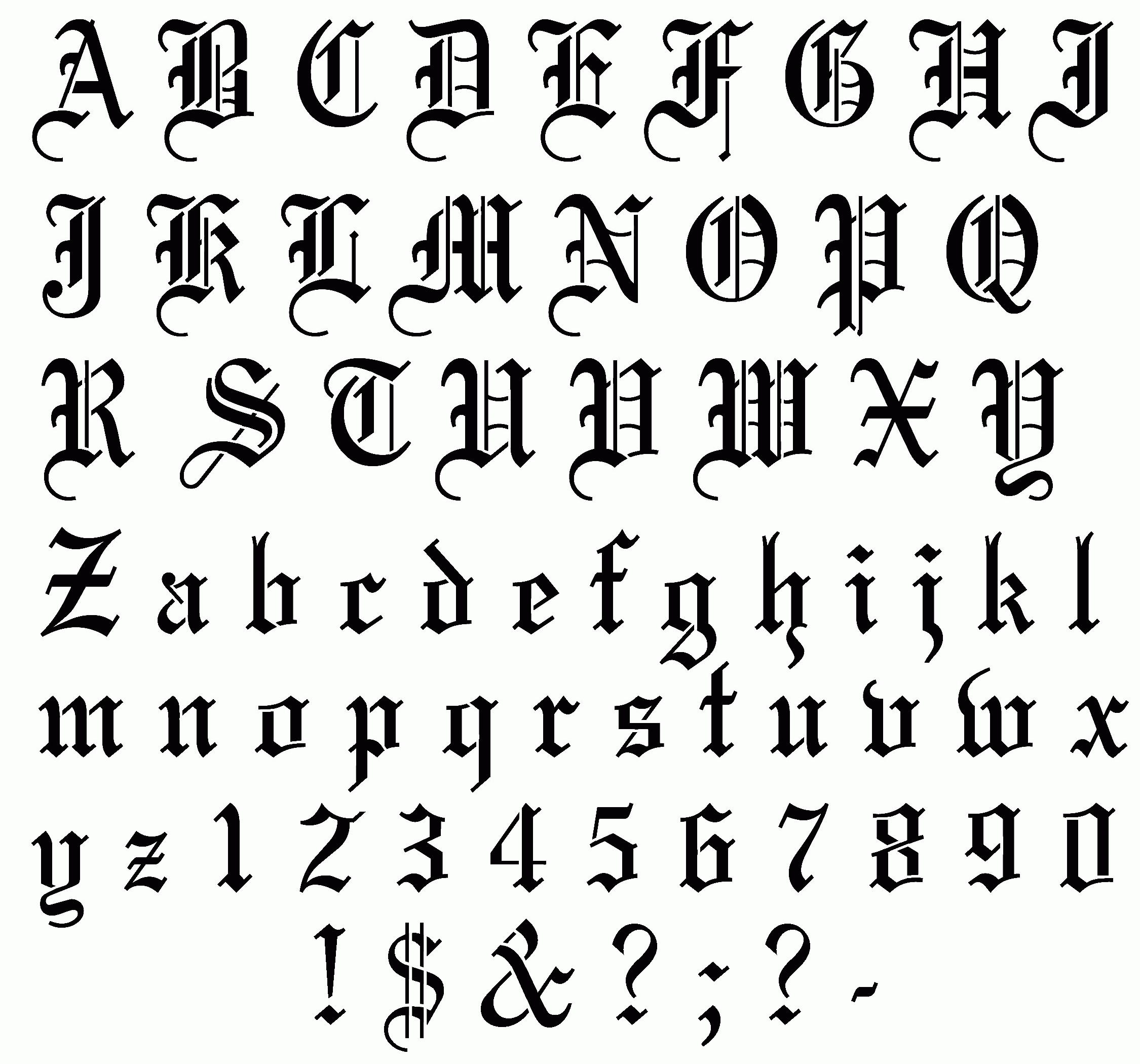
Free Printable Calligraphy Letters Calligraphy Alphabet Stencils
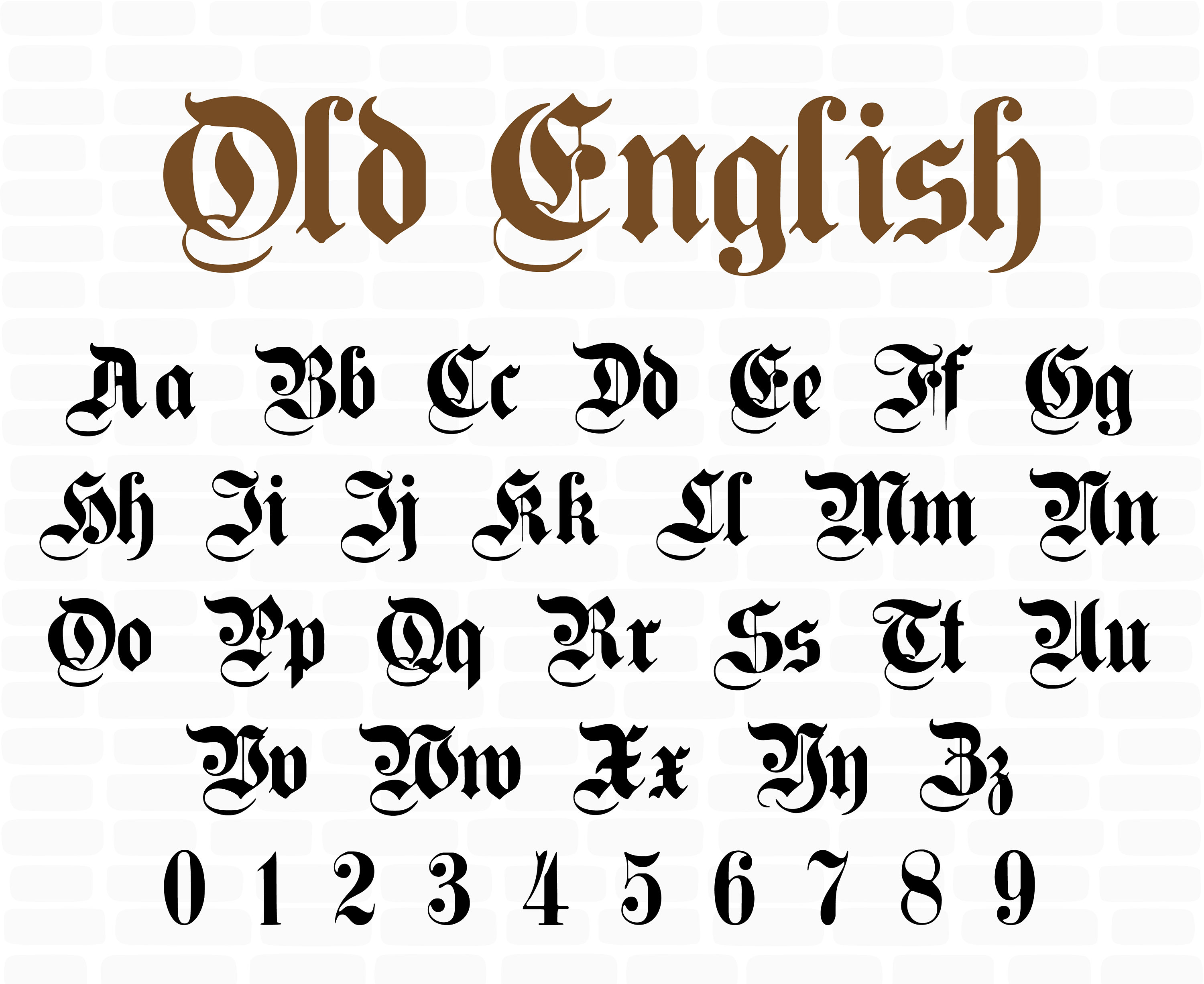
Old English Font Etsy Aria Art
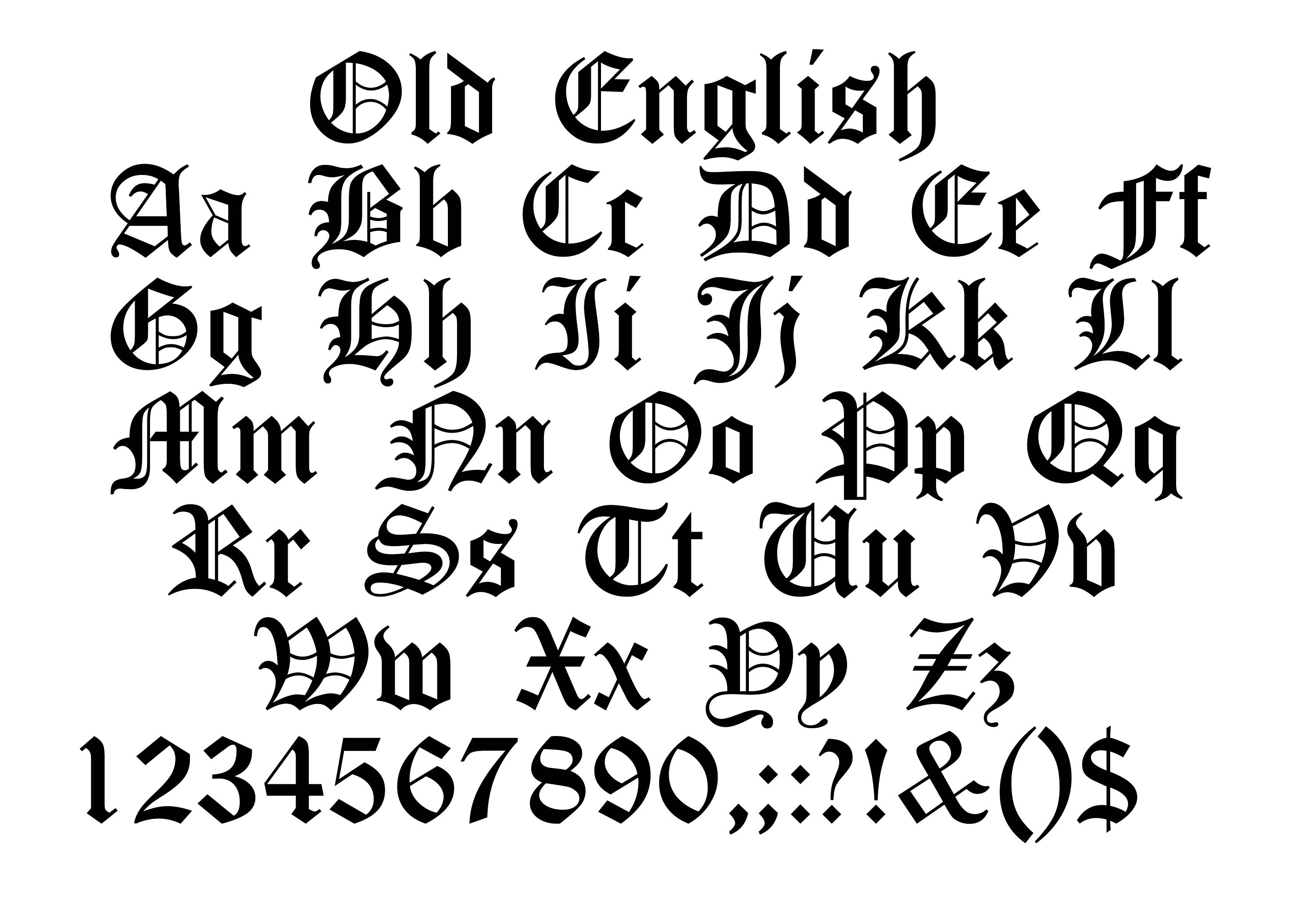
printable old english letters alphabet free image download 10 best

Calligraphy Alphabet Free Old English Letters
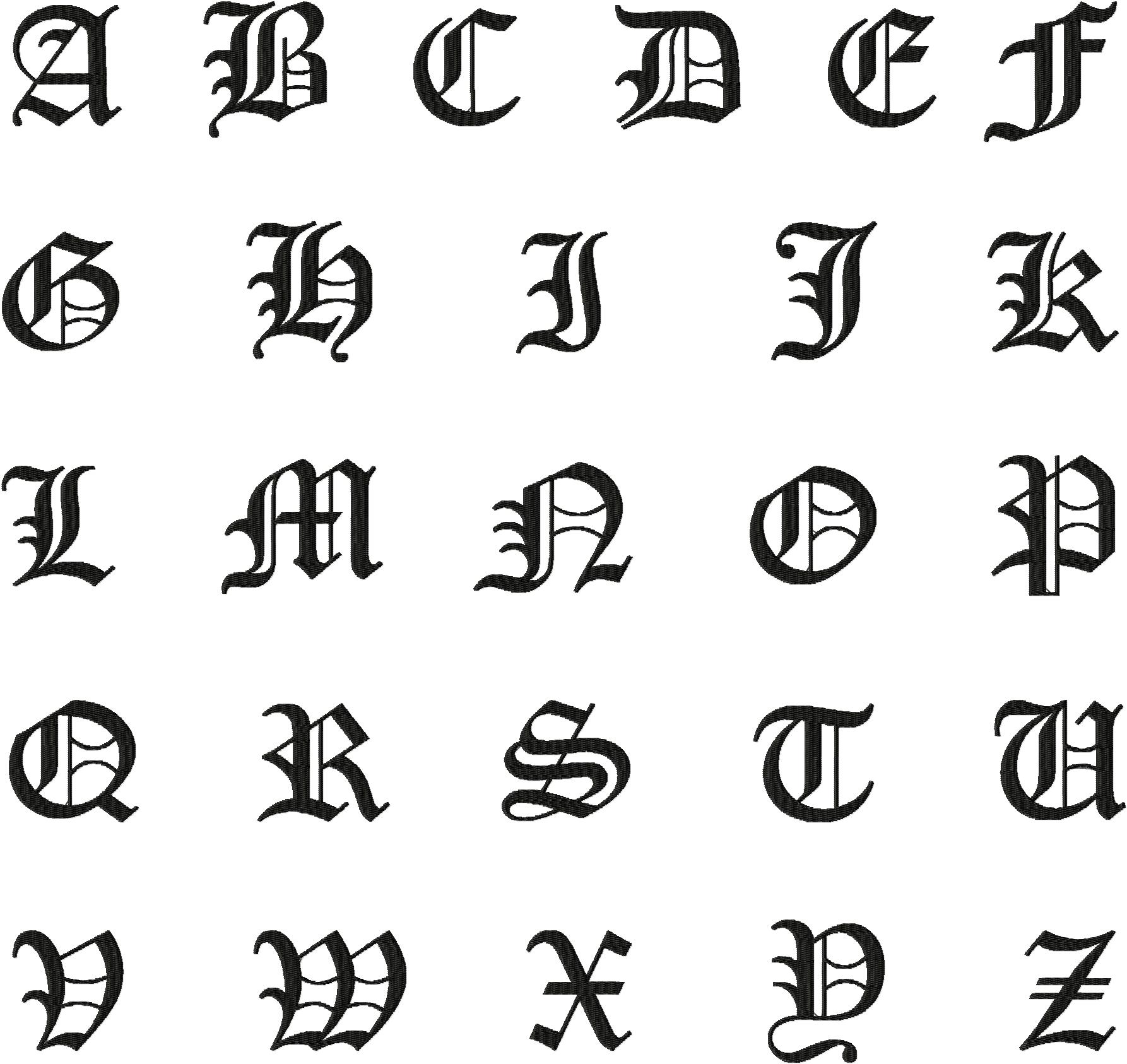
Old English Machine Embroidery Font Set Daily Embroidery

Old English Font Capital Letters English Alphabet, Capital Letters

Old English Single Metal Letter, Name Sign
The Earliest Old English Writings Use The Digraph Uu To Represent This Sound, But Soon The Runic Wynn Came To Replace That Digraph.
Web wynn is pronounced as /w/. Wynn was used throughout the old english. Of these letters, most were directly adopted from the latin alphabet,. Web the old english latin alphabet generally consisted of about 24 letters, and was used for writing old english from the 8th to the 12th centuries.
In Earlier Texts By Continental Scribes, And Also Later In The North, /W/.
Web h = [ç] after front vowels, [x] after back vowels, [h] elsewhere n = [ŋ] before g (ʒ) and k s = [s] initially, finally, or next to voiceless consonants, [z] elsewhere the letters j and v were rarely used and were nothing more. Web old english manuscripts typically represented the sound /w/ with the letter ƿ , called wynn and derived from the rune of the same name.